
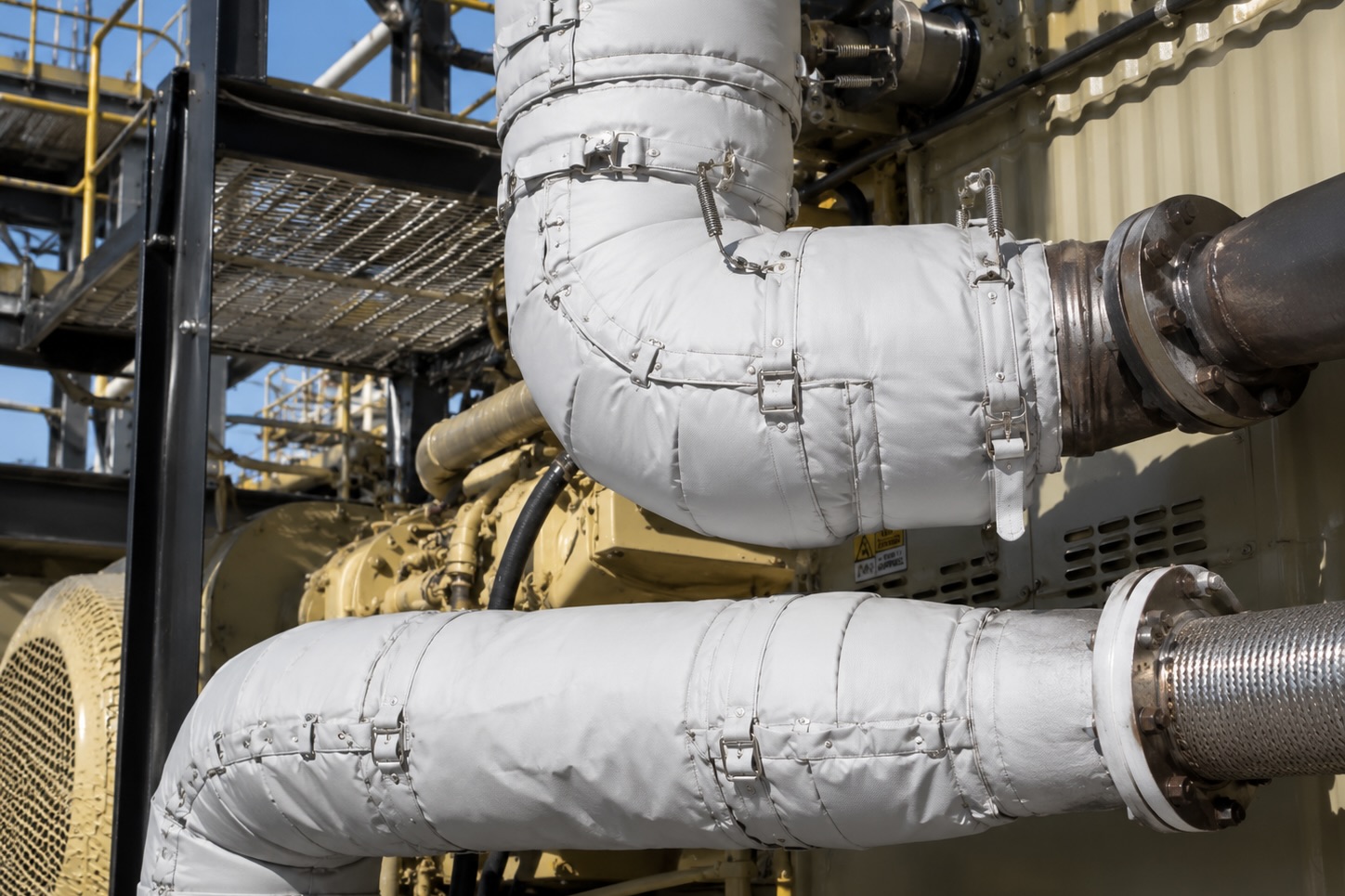
Exhaust Tubing
Custom thermal insulation solutions engineered for exhaust tubing systems operating in high-temperature industrial and engine environments. McAllister fabricates removable insulation jackets and wraps designed to reduce radiant heat, improve thermal efficiency, protect nearby components, and help maintain consistent exhaust gas temperatures throughout the system. Our exhaust tubing insulation systems are built to withstand demanding operating conditions while supporting improved equipment performance, reduced heat transfer, and safer maintenance access in both OEM and retrofit applications.
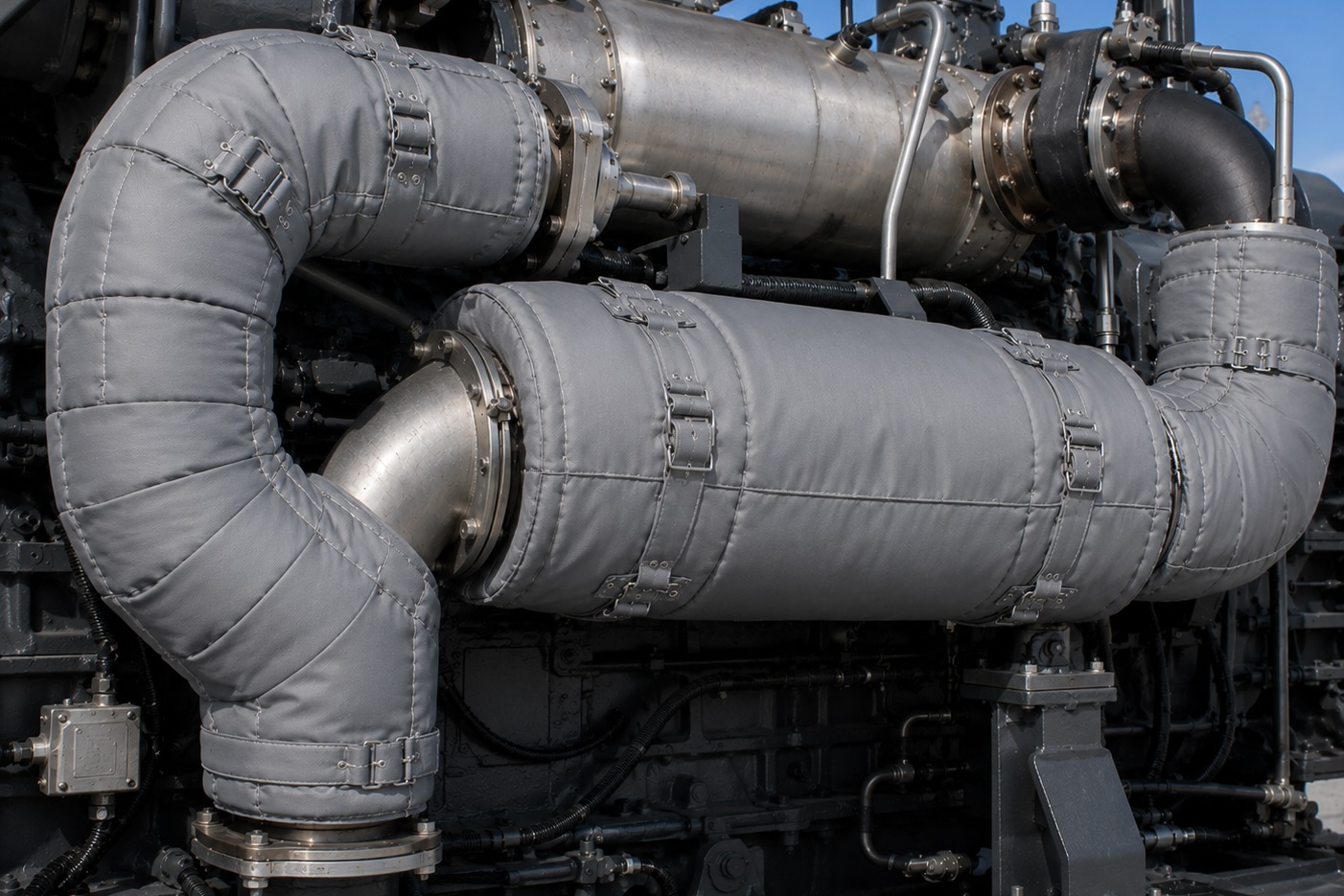
Insulated EGR Pipes
Thermal insulation systems engineered for exhaust gas recirculation (EGR) piping where temperature retention and emissions performance are critical. McAllister designs custom-fit insulation solutions that help maintain exhaust temperatures, reduce heat loss, improve system efficiency, and protect surrounding components from excessive radiant heat. Designed for demanding operating environments, our insulated EGR pipe systems help support emissions compliance, improve thermal consistency during operation, and enhance long-term durability across on-road, off-road, and industrial applications.
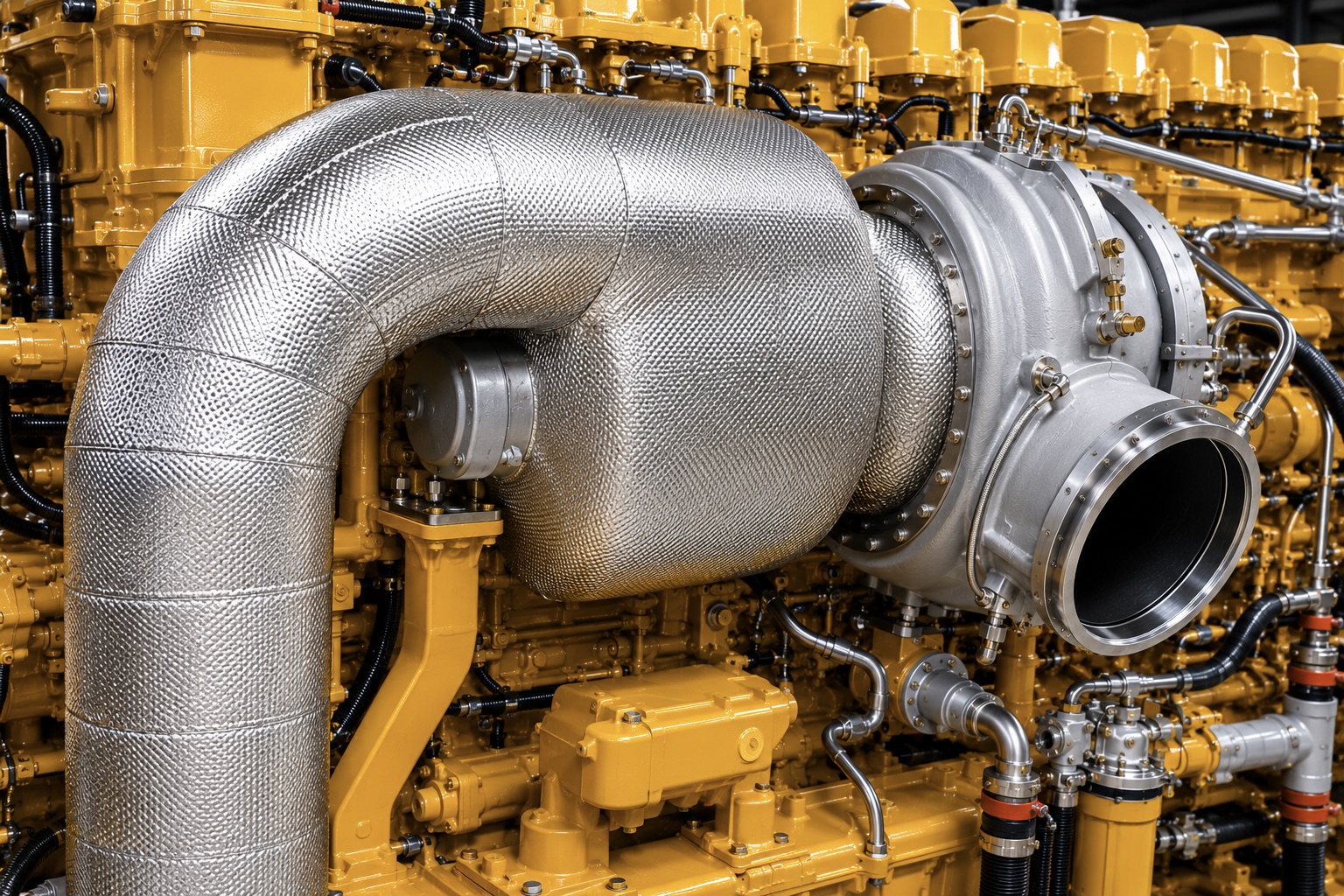
Turbo Charger/Manifold
High-temperature insulation and heat shield solutions engineered for turbochargers and exhaust manifolds operating in demanding thermal environments. McAllister fabricates custom insulation systems designed to reduce under-hood temperatures, improve thermal efficiency, protect nearby components, and support overall engine performance and reliability. Our solutions are custom-fit to complex manifold and turbocharger geometries, helping manage radiant heat, improve personnel protection, and maintain consistent thermal performance under continuous operating conditions.
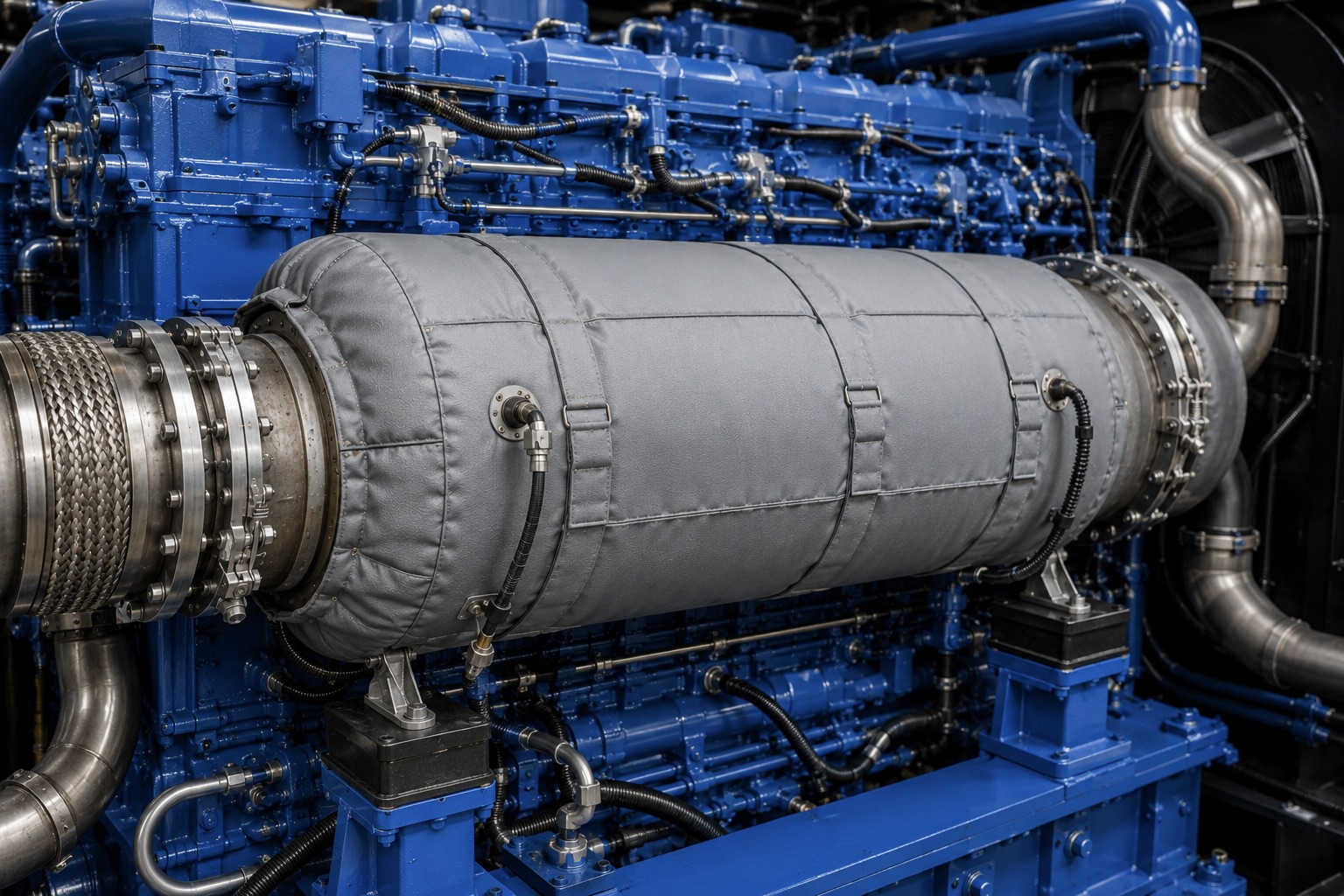
SCR & DPF
Thermal management solutions engineered for selective catalytic reduction (SCR) and diesel particulate filter (DPF) systems where temperature retention is essential for emissions performance. McAllister designs custom insulation jackets and covers that help maintain optimal operating temperatures, improve regeneration efficiency, reduce heat loss, and protect surrounding equipment in on-road and off-road applications. Built for harsh operating environments, our insulation systems support emissions compliance, improve thermal stability across duty cycles, and help extend the performance and reliability of critical aftertreatment components.

Industrial Emission Control
Engineered thermal insulation solutions designed for industrial emissions control equipment operating in high-temperature process environments. McAllister fabricates custom insulation systems that help maintain process temperatures, improve energy efficiency, reduce radiant heat exposure, and support reliable emissions control system performance. Our removable insulation solutions are designed for complex industrial equipment and piping configurations, allowing for easier maintenance access while improving thermal containment and long-term operational efficiency.